
Inside the Memory Machine: AI, How It Works and the Likely Consequences
Dr. G. Mitchell Reyes
Our contemporary culture is rife with turmoil, inequality, and the disintegration of democratic institutions. At the same time, our culture is rife with hope, celebrating technological breakthrough after technological breakthrough as a means of technological salvation that will help us address intractable problems like economic inequality and global warming. The question we must ask is: how did we get here and what does AI have to do with it? This is the question that Dr. G. Mitchell Reyes will address as he explains how technologies often referred to as AI work, why they often hallucinate, and where he thinks they are leading us. Instead of different forms of “Artificial Intelligence,” he will argue that what we have today (so far) are more aptly described as “Memory Machines” that aren’t so much intelligent (at least not in the traditional sense) as they are ways of “automating intellection.” The automation of intellection, to be clear, has already had and will continue to have profound consequences, many of which he will explore during the talk. Dr. Reyes will focus especially on the impact of these Memory Machines on education, our collective perceptions of expertise (how valuable it is; who has it; who doesn’t), and our capacities for decision-making going forward.
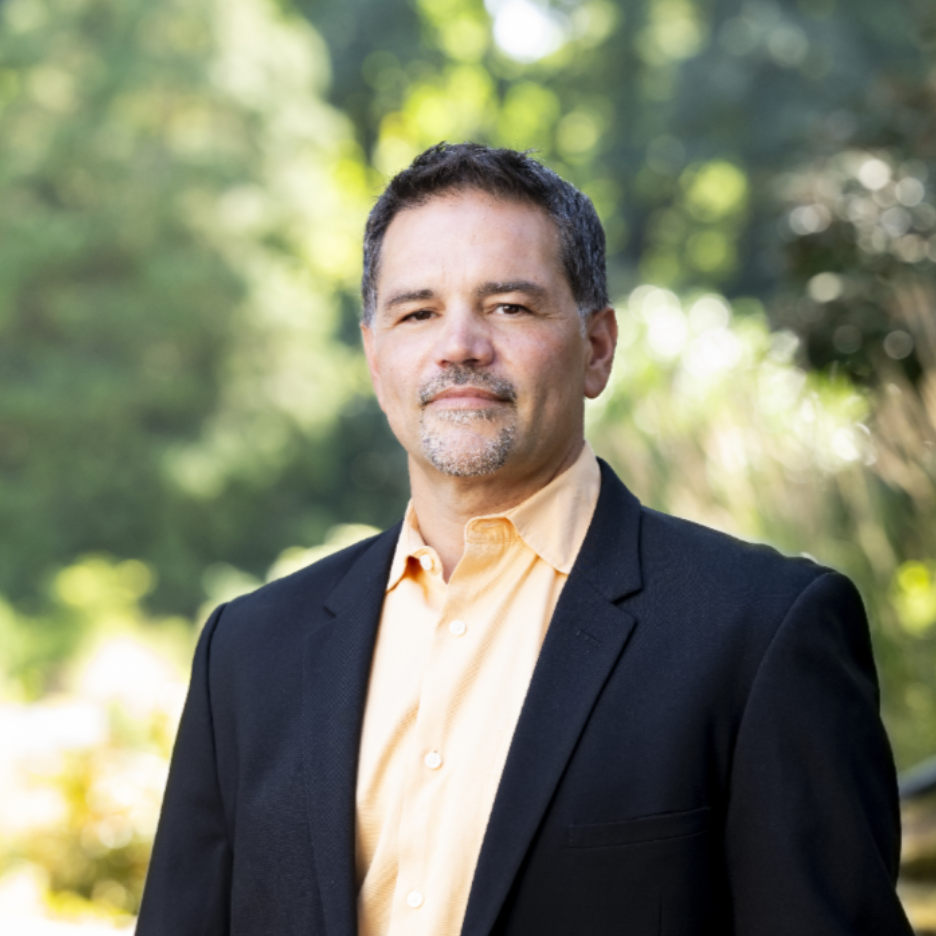
Dr. G. Mitchell Reyes received a Bachelor's Degree in Mathematics from Willamette University and a PhD and Masters in Communication Arts and Sciences from Pennsylvania State University. His research is focused in two general areas: the first examines the socio-political impact of science and mathematics. Here he is interested in how controversies get resolved in science as well as the ways mathematical discourse—for example, algorithms—influence contemporary culture. Dr. Reyes second area of research focuses on memory—specifically, the ways groups of people collectively remember their past. His research in this area examines the politics of public memory, strategies of remembering and forgetting, and the social consequences of collective memory practice. Dr. Reyes's current work brings these two areas together in a study of how algorithmic and AI systems influence our cultural practices of remembering and, perhaps more crucially, forgetting. Dr. Reyes is the Director of the Public Memory Studies Institute at Lewis & Clark College and is part of both the Data Science Department and the Department of Rhetoric and Media Studies.