
Dark Skies - Why We Should Care
Rima Givot
Scott Woodford
Light Pollution (LP) is the excessive, inappropriate and unsafe use of Artificial Light At Night (ALAN). The lightbulb is sometimes cited as the greatest invention of all time. And electric light is a beautiful thing, guiding us home in the dark and lighting our homes in the evenings. However, excessive and unsafe lighting is affecting our health and impacting our environment.
A local initiative begun by Dave Crawford and Tim Hunter in the 1980’s to protect Kitt Peak National Observatory from the encroaching lights of Tucson has morphed into an international movement of 250 Dark Sky International certified dark sky parks, reserves, sanctuaries, communities, and developments covering 75,000 square miles, all committed to minimizing light pollution across six continents.
Light pollution was initially condemned for night time sky glow that masks all but the brightest stars and planets to the extent that 80% of Americans can no longer see the Milky Way. Recent science is revealing serious impacts to our health such as increased cardiovascular disease, heart attacks, strokes, obesity, higher cancer rates and mental health issues. And we are beginning to understand how excessive light at night affects the incredibly intricate and numerous circadian clocks that inhabit every cell and our organs. The disruption of circadian rhythms also affects birds and insects, necessary for pollinating our crops. It is estimated that up to one billion birds die annually due to Light Pollution.
By following the five principles of good night lighting we can make a difference. Will you flick that switch? Will you retrofit your lighting fixtures? This lecture will focus on the impacts of light pollution and how the City of Sisters is committed to making a difference by becoming the second certified dark sky community in Oregon.Details coming soon …
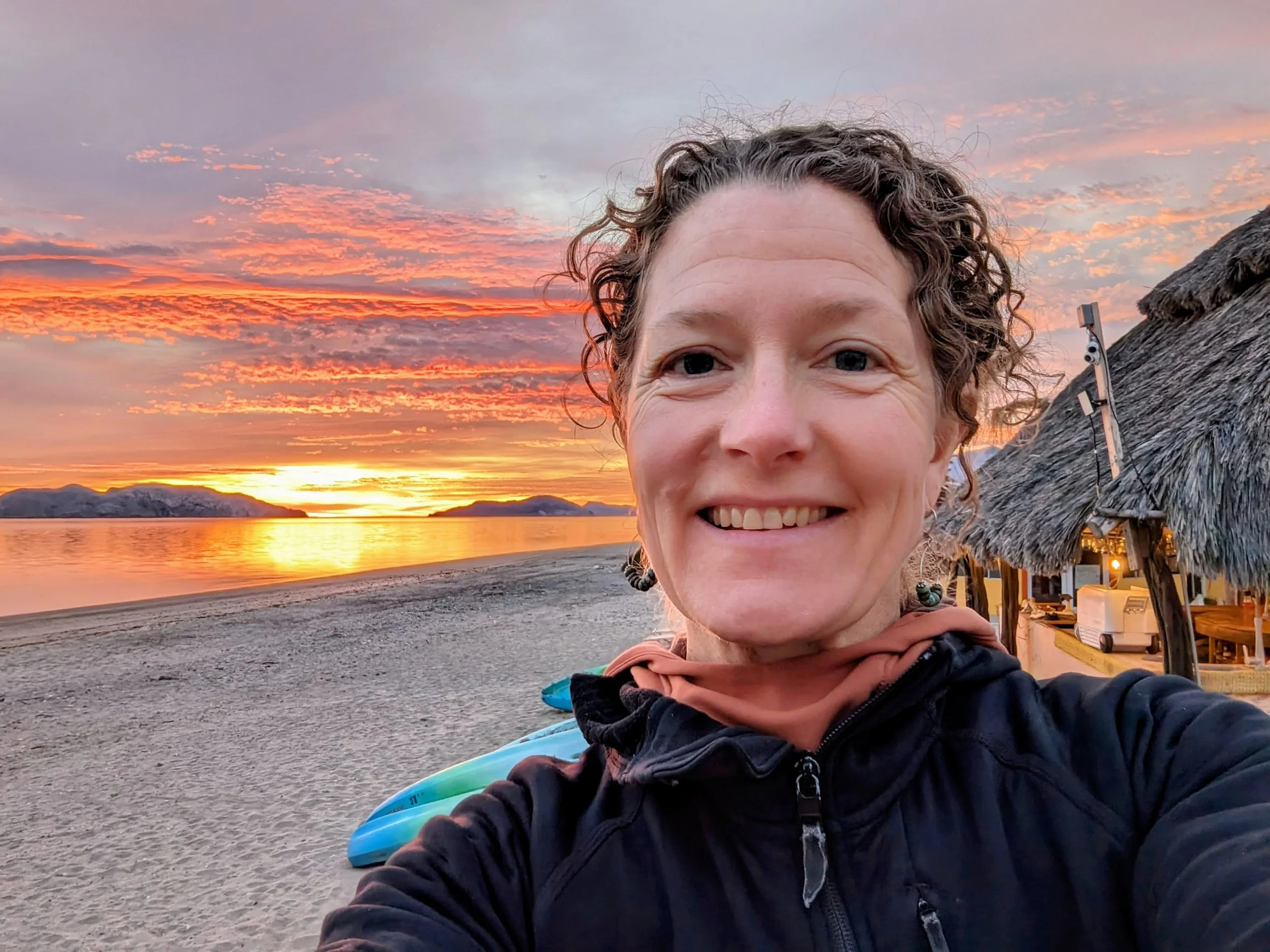
Rima Givot is a science teacher at Sisters High School where she teaches students about astronomy, biology, environmental science and chemistry. She has been active with the work to update the local dark sky ordinances, both in Sisters and Deschutes County, and help Sisters become a Dark Sky Community. She recognizes that every person's actions matter, and has seen that light pollution can be instantly reduced by using responsible lighting practices.
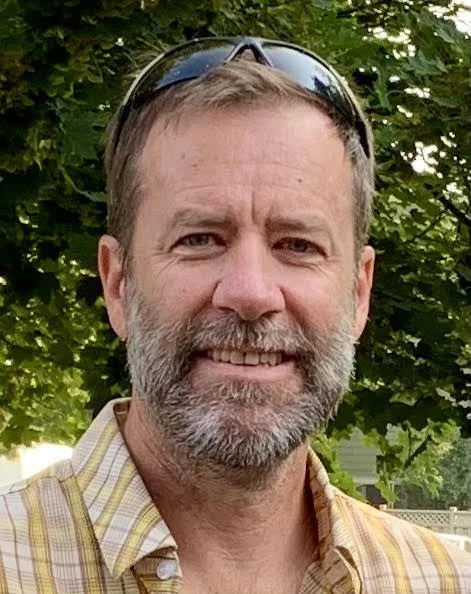
Scott Woodford is the Community Development Director for the City of Sisters and has been involved in dark skies efforts for the community for the last five years, including updating the city’s Dark Skies Outdoor Lighting Ordinance and assisting on the successful application for the communities’ International DarkSky Community designation. The CDD office works to ensure compliance with the lighting ordinance for new development and responding to code complaints on existing lighting.